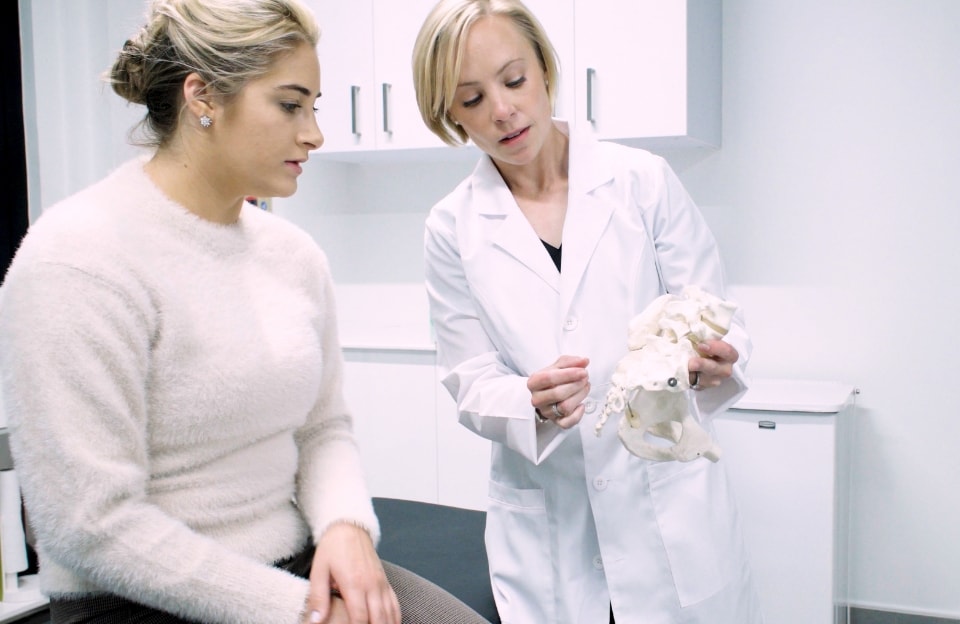
Persistent vein issues are more than just a cosmetic concern.they can signal serious underlying health problems. Many people ignore symptoms like bulging veins, leg swelling, or discomfort, thinking they are minor or age-related. However, knowing when to see a vascular doctor can be crucial for your overall health. If you have been searching for vein treatment near me, understanding the importance of consulting a vascular specialist is the first step toward effective care.
What Does a Vascular Doctor Do?
A vascular doctor, also called a vascular specialist, is trained to diagnose and treat diseases of the circulatory system, which includes veins, arteries, and lymphatic vessels. Unlike general practitioners, these specialists focus on conditions that affect blood flow, clot formation, and vessel integrity.
For patients with vein issues, a vascular doctor can:
- Evaluate abnormal veins using advanced imaging techniques.
- Determine the root cause of vein problems, including chronic venous insufficiency and varicose veins.
- Recommend minimally invasive procedures or surgical treatments.
- Provide guidance on lifestyle changes to improve vascular health.
Seeing a vascular doctor ensures that your vein problems are addressed at the source rather than just treating symptoms.
When Should You See a Vascular Doctor?
Knowing when to see a vascular doctor is critical for preventing complications. Persistent or worsening vein issues should never be ignored. Key signs include:
- Bulging or Twisted Veins – Varicose veins that appear large, rope-like, or twisted can indicate impaired blood flow.
- Swelling in Legs or Ankles – Chronic swelling may signal venous insufficiency or other circulatory issues.
- Pain or Heaviness in Legs – Discomfort, aching, or fatigue in the legs can indicate poor circulation.
- Skin Changes – Discoloration, thickening, or ulcers around the ankles may suggest advanced vein disease.
- Frequent Leg Cramps – Especially at night, cramps can be linked to vein disorders.
- Slow-Healing Wounds – Open sores or ulcers that do not heal properly may require specialized vascular care.
If you notice any of these symptoms, searching for vein treatment near me and scheduling a consultation with a vascular doctor should be a priority. Early intervention can prevent serious complications such as deep vein thrombosis (DVT), chronic venous insufficiency, or skin ulcers.
How Can a Vascular Doctor Improve Vein Health?
Vascular doctors provide comprehensive evaluations that general practitioners may not offer. They use advanced diagnostic tools like:
- Duplex Ultrasound – To assess blood flow and detect clots or valve dysfunction.
- Venography – A specialized X-ray for viewing vein structure.
- Magnetic Resonance Angiography (MRA) – For detailed imaging of veins and arteries.
Once a diagnosis is confirmed, the specialist can create a tailored treatment plan. Common interventions include:
- Minimally Invasive Procedures – Laser therapy, radiofrequency ablation, or sclerotherapy to close malfunctioning veins.
- Surgical Treatments – Vein stripping or ligation for severe varicose veins.
- Lifestyle and Compression Therapy – Exercise, weight management, and compression stockings to support healthy blood flow.
By choosing a vascular specialist, patients get targeted care that addresses both cosmetic and health-related concerns. This level of expertise ensures better outcomes than treating veins through general medical advice alone.
Why Ignoring Vein Problems Can Be Risky
Many people dismiss persistent vein problems as merely cosmetic, but untreated vein issues can lead to serious complications:
- Deep Vein Thrombosis (DVT) – A dangerous blood clot in the deep veins, which can lead to pulmonary embolism if untreated.
- Chronic Venous Insufficiency – Ongoing valve dysfunction that can cause leg swelling, pain, and skin changes.
- Venous Ulcers – Open sores that can develop around the ankles and legs due to poor circulation.
- Bleeding – Superficial veins close to the skin may rupture, causing sudden bleeding.
Consulting a vascular doctor when early symptoms appear can prevent these severe complications. Searching for vein treatment near me and accessing specialized care improves long-term vascular health and quality of life.
How Vein Treatment Has Evolved
Advancements in vascular medicine have made vein treatment safer, less invasive, and highly effective. Modern procedures performed by vascular specialists can be done in outpatient settings with minimal recovery time. Some of the latest treatments include:
- Endovenous Laser Treatment (EVLT) – A minimally invasive laser procedure to close problematic veins.
- Radiofrequency Ablation (RFA) – Uses heat to seal off malfunctioning veins.
- Sclerotherapy – Injection of a solution to collapse smaller varicose and spider veins.
- Ambulatory Phlebectomy – Removal of surface veins through tiny incisions.
These procedures, guided by a vascular doctor, ensure patients experience less pain, shorter recovery periods, and long-lasting results. Vein health is no longer limited to simple compression therapy or lifestyle adjustments; cutting-edge interventions now provide real solutions.
The Benefits of Seeing a Vascular Doctor
Consulting a vascular specialist for persistent vein problems offers several benefits:
- Early Detection of Serious Conditions – Timely intervention prevents complications such as DVT or venous ulcers.
- Personalized Treatment Plans – Care is tailored to your specific vein condition and health status.
- Minimally Invasive Options – Modern procedures reduce recovery time and discomfort.
- Improved Cosmetic Appearance – Beyond health benefits, treated veins enhance the look and feel of your legs.
- Ongoing Support and Monitoring – Continuous care ensures veins remain healthy over time.
With these advantages, consulting a vascular doctor is not just a medical decision but an investment in long-term wellness.
Conclusion: Don’t Delay Your Vein Care
Persistent vein problems should never be ignored. Knowing when to see a vascular doctor and taking action can prevent serious complications and improve your quality of life. If you have noticed swelling, pain, or visible veins, searching for vein treatment near me and scheduling a consultation is the first step.