


Does Health Insurance Cover Varicose Vein Treatment?
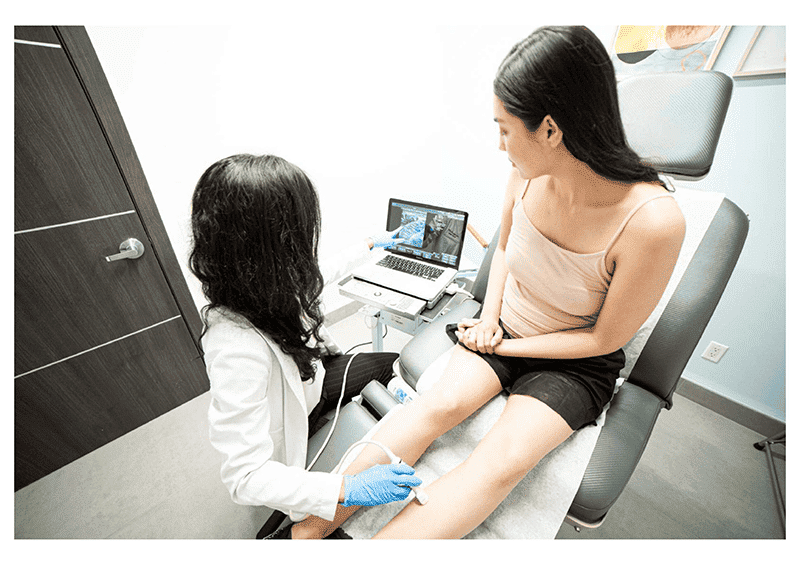
Varicose veins are not just a cosmetic concern—they can cause discomfort, swelling, and even serious health complications if left untreated. Many people wonder, Are varicose veins covered by insurance? Understanding insurance coverage for varicose vein treatment is essential before deciding on a treatment plan. In this article, we will explore insurance considerations, treatment options, and how Vein Treatment New Jersey can help patients access affordable care.
Are Varicose Veins Considered a Medical Necessity?
Before asking whether varicose vein treatment is covered, it’s important to understand how insurance providers classify varicose veins. Health insurance generally covers treatments that are medically necessary. Varicose veins causing severe symptoms—such as chronic pain, swelling, ulcers, or blood clots—are more likely to be considered medically necessary than those treated purely for cosmetic reasons.
If your varicose veins are primarily cosmetic, insurance may not cover the procedure. However, a detailed evaluation from a vein specialist can document the medical necessity, which may increase the likelihood of coverage. Vein Treatment New Jersey offers comprehensive evaluations to determine whether your condition meets insurance requirements.
What Are the Treatment Options for Varicose Veins?
Understanding what are the treatment options for varicose veins is essential when discussing coverage with your insurer. The treatment plan typically depends on the severity of your condition. Here are the most common options:
- Compression Therapy
Compression stockings are often the first line of treatment. They improve blood flow and reduce discomfort but are usually considered non-invasive and low-cost. Some insurance plans may partially cover compression stockings if prescribed by a doctor.
- Sclerotherapy
Sclerotherapy involves injecting a solution into small to medium-sized varicose veins, causing them to collapse and fade. Insurance coverage for sclerotherapy depends on whether the treatment is deemed medically necessary or cosmetic.
- Endovenous Laser Therapy (EVLT)
EVLT is a minimally invasive procedure that uses laser energy to close off diseased veins. This treatment is often covered by insurance if there is documented vein reflux or other medical complications.
- Radiofrequency Ablation (RFA)
Radiofrequency ablation uses heat to seal varicose veins. Like EVLT, insurance coverage usually requires proof of medical necessity, such as pain, swelling, or prior complications.
- Surgical Vein Stripping
Vein stripping is an older, more invasive option, typically reserved for severe cases. Insurance is more likely to cover this procedure if non-surgical treatments have failed or if there are complications like ulcers or clotting.
- Ambulatory Phlebectomy
This procedure removes varicose veins through small skin incisions. Coverage depends on the severity of symptoms and whether the procedure is deemed medically necessary rather than cosmetic.
How Insurance Determines Coverage for Varicose Vein Treatments
Insurance companies carefully evaluate varicose vein treatments to decide whether they are necessary. Key factors include:
- Medical documentation: Detailed reports from a vein specialist, including symptoms, duplex ultrasound results, and any complications.
- Severity of symptoms: Chronic pain, swelling, skin changes, ulcers, or history of clotting increase the likelihood of coverage.
- Failed conservative treatment: Insurers often require proof that conservative measures, like compression therapy, were tried and ineffective.
Many patients find that working with a vein clinic like Vein Treatment New Jersey helps streamline the insurance approval process, ensuring that all necessary documentation and imaging studies are submitted.
Steps to Verify Coverage for Varicose Vein Treatments
If you are considering treatment, you can take the following steps to determine whether your insurance covers it:
- Review your insurance policy: Look for terms like “varicose vein treatment,” “sclerotherapy,” “laser vein treatment,” or “medically necessary procedures.”
- Consult a vein specialist: Schedule an evaluation to determine the severity of your condition and document any medical necessity.
- Obtain pre-authorization: Many insurers require pre-approval before covering procedures like EVLT or RFA.
- Submit supporting documentation: Your vein specialist can provide detailed reports, duplex ultrasounds, and treatment recommendations to the insurer.
- Appeal if denied: If your claim is initially denied, you can appeal with additional documentation showing that the treatment is medically necessary.
Factors Affecting Out-of-Pocket Costs
Even when insurance covers varicose vein treatment, out-of-pocket costs can vary based on:
- Deductibles and copayments
- Network restrictions (in-network vs. out-of-network providers)
- Specific procedures (some treatments have higher coverage limits)
Vein Treatment New Jersey works with patients to minimize costs and maximize insurance benefits, providing transparency on coverage and alternative financing options if necessary.
The Importance of Choosing the Right Vein Clinic
Selecting a qualified vein clinic is critical for both successful outcomes and smooth insurance processing. Clinics like Vein Treatment New Jersey specialize in diagnosing and treating varicose veins using the latest technology. Their staff can guide patients through insurance verification, pre-authorization, and treatment planning.
A reputable clinic ensures that your treatment plan is tailored to your symptoms and medical history, improving the likelihood of coverage and effective results.
Tips for Maximizing Insurance Coverage
To increase the chances of insurance approval for varicose vein treatment:
- Document all symptoms thoroughly, including pain, swelling, and skin changes.
- Maintain a record of conservative treatments, such as compression therapy or medications.
- Ensure that imaging studies, such as duplex ultrasound, are included in your claim.
- Ask your vein specialist to write a detailed medical necessity letter.
- Work with your clinic’s insurance coordinator to handle pre-authorization and claim submission.
When to Consider Cosmetic Treatment
If your varicose veins are primarily cosmetic, coverage is unlikely. In such cases, clinics may offer flexible payment options or package deals for cosmetic vein removal. It’s important to discuss these options upfront to avoid unexpected expenses.
Conclusion
So, are varicose veins covered by insurance? The answer depends on the severity of your condition, medical necessity, and documentation. While cosmetic cases are generally not covered, medically necessary treatments—including sclerotherapy, EVLT, RFA, and vein stripping—often are. Understanding what are the treatment options for varicose veins and working closely with a specialized clinic like Vein Treatment New Jersey can help navigate insurance coverage and ensure effective care.
For anyone suffering from varicose veins, early evaluation is key. Not only can it prevent complications, but it also improves the chances that insurance will cover the most effective treatment. Vein Treatment New Jersey is dedicated to helping patients access the care they need with minimal financial stress.


Comments